



Your source for fruit and vegetable news
Copyright © 2008-2010 by thebackyardgrower.com  All rights reserved.  Terms of use | Privacy policy
Home.Farmers Markets.Market News.Recipe Corner.About Us.Garden Photos.Archives.

FEATURES

GARDEN TIPS

BLOG/LINKS

LATEST NEWS

CLASSIFIEDS

Your Ad Here

Vegetable gardening increase is likely to continue in 2009

By Bobbie Whitehead

More people nationally either expanded their vegetable gardens or added one in 2008, having become part of a new gardening movement.

Reasons for doing so may have been obvious as news about food contamination and an impending bleak economy held media headlines.

The Garden Writers Association, an organization that conducts national consumer surveys four times a year, expects the trend to hold this year and will be able to determine this in mid-to-late February when the association makes its next comparison survey, said Robert LaGasse, GWA executive director.

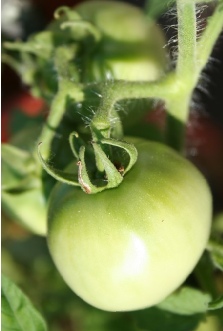
More people nationally either expanded or added a vegetable garden in 2008.
Though the GWA’s 2008 survey showed that 74 percent of all households nationally had a garden, a percentage that has remained consistent over the years, the early spring survey last year found that significantly more people intended to add or expand their vegetable gardens, LaGasse said.

Lawn and turf remained the top garden category usage, but vegetable gardens jumped to second place.

“Later in the year, we surveyed again, asking, ‘What did you do with your garden this time?’ and 42 percent said they have installed and expanded a vegetable garden,” LaGasse said.

This percentage, LaGasse said, had been in the mid-to-high 20-percent range and jumped by almost half.

“It didn’t quite double, but it virtually doubled,” he said.

Suppliers and other companies in the lawn and garden industry the GWA talked with, too, reported that they saw an increase in demand for vegetable gardening products and supplies, LaGasse said.

The increase coincides with what has been dubbed by some as a “victory garden” movement similar to the one during World War II in which the federal government encouraged citizens to plant gardens to aid the food supply at home.

“It was a very successful program nationally,” LaGasse said.

Now more people than ever have become political about supporting local food supplies.

In 2008, a new campaign called Eat the View, created by Roger Doiron of Maine who founded the Kitchen Gardeners International, wants the President to lead by example with an organic garden on the on the First Lawn to supply the White House kitchen with its vegetables and help food pantries.

The Kitchen Gardeners International has a petition at www.EattheView.org, seeking signatures from people urging the Obamas to agree in the first 100 days to plant the vegetable garden.

The interest in vegetable gardens has a number of benefits to people such as providing their own food supply, reducing their food costs and helping their neighbors in need, among others, LaGasse said.

But the latest victory garden campaign hasn’t been the only push to support and aid food pantries.

The GWA has for years promoted a program called Plant a Row for the Hungry, which encourages gardeners and growers to plant an extra row of fruits and vegetables to donate to a local food pantry to feed people in need.

“It’s a great idea, and we totally support the concept, and we encourage the public to participate in Plant a Row for the Hungry,” LaGasse said. “When it comes down to it, it’s not important what you call it; what’s important is you do it.”

For a listing of pantries participating in the Plant a Row program, visit http://www.gardenwriters.org/Par/Donationlinks.html. Growers and gardeners now planning for their spring gardens and crops can also call 1-877-494-2727 for more information about participating in the program.